

Table of Contents
Introduction
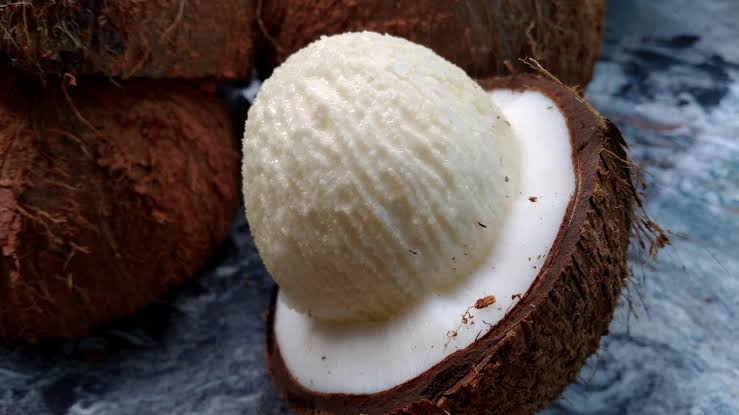
A Sprouted Coconut is a fascinating stage in the natural life cycle of a coconut. When a mature coconut begins to germinate, a soft, spongy structure forms inside the shell as the seed prepares to grow into a new coconut palm. This unusual food is known by several names, including coconut apple, coconut embryo, coconut sprout, and coconut cotyledon. While it may look very different from the familiar white coconut flesh, it has been enjoyed in tropical regions for generations. Its light, airy texture and mildly sweet flavor make it an interesting food for people who enjoy discovering traditional and natural foods. Understanding how a coconut sprouts can also make the process easier to appreciate, whether you want to eat the sprout or grow your own coconut palm.
A coconut is actually the seed of the coconut palm, and germination begins when the right conditions are present. Inside a mature coconut, the developing embryo uses stored nutrients to produce a spongy mass that supports the young plant. This explains why the texture and taste of a Sprouted Coconut are so different from regular coconut meat. The process is completely natural and can take several weeks or months depending on temperature, moisture, coconut maturity, and storage conditions. This guide explains coconut germination, how to identify a healthy sprout, how people eat it, and how you can grow a coconut palm from a germinated coconut at home.
What Is a Sprouted Coconut?
A Sprouted Coconut is a mature coconut that has started the germination process. Instead of remaining dormant, the embryo inside the coconut begins developing and uses the nutrients stored within the seed. As germination continues, a soft, sponge-like structure develops inside the shell. This structure can become surprisingly large and may fill much of the coconut cavity. The coconut water may decrease as the developing seed uses available moisture and nutrients. At the same time, the familiar white coconut meat can become thinner or change in texture. The sprout itself is usually light in color, porous, and somewhat fluffy when fully developed.
The exact appearance of a coconut sprout can vary based on the coconut variety and its stage of germination. Some sprouts are small and firm, while others become large and sponge-like. In many tropical communities, the coconut sprout is considered a traditional seasonal food rather than a modern novelty. Its flavor is often described as mildly sweet, nutty, or coconut-like, although individual sprouts can taste different. The important distinction is that a sprouted coconut is not simply spoiled coconut. Germination is a natural biological process in which the seed prepares to produce a new coconut palm. However, not every coconut that has been stored for a long time is safe to eat, so appearance, smell, and overall condition still matter.
How Coconut Germination Happens Naturally
Coconut germination starts when a viable coconut receives suitable environmental conditions. A coconut is naturally designed to protect its embryo until it encounters enough warmth and moisture to begin growing. The thick outer layers and hard shell help protect the seed while it is transported or remains on the ground. Once the conditions are favorable, water can reach the embryo through natural openings in the coconut. The embryo then becomes active, and the seed begins converting stored nutrients into energy for growth. This is why the coconut changes internally during the sprouting process.
Warm tropical climates are especially suitable for coconut germination because coconut palms naturally thrive in warm conditions. Depending on temperature, moisture, coconut variety, and seed maturity, germination can take several weeks to several months. A coconut that has begun producing a visible shoot or root is generally further along in the germination cycle. If you are attempting coconut seed germination at home, patience is important because the process is much slower than growing many common garden seeds. The coconut should remain in a warm environment with appropriate moisture while avoiding conditions that encourage mold or rotting. Natural germination is not perfectly predictable, so two coconuts placed under similar conditions may develop at different rates.
How to Eat a Sprouted Coconut Safely
Eating a Sprouted Coconut is a traditional practice in some coconut-growing regions, where the soft coconut embryo is removed from the shell and eaten fresh. When a coconut has developed a healthy sprout, the inner structure can be carefully separated from the shell. Many people enjoy the sprout raw because its delicate texture does not require cooking. It may be eaten by itself or incorporated into simple dishes. The taste is usually gentle rather than strongly sweet, and the soft texture is quite different from mature coconut meat. For anyone trying it for the first time, the experience can be interesting because the sprout represents an intermediate stage between a stored coconut seed and a growing palm.
Food safety is important whenever you eat a germinated coconut. A healthy coconut sprout should not have a strong rotten odor, unusual sliminess, widespread mold, or other obvious signs of spoilage. If the coconut shell is badly cracked, leaking, contaminated, or smells unpleasant, it is safer to discard it rather than taste it. Germination itself does not automatically mean that a coconut is spoiled, but age and poor storage can allow microorganisms to grow. It is also wise to clean the outside of the coconut before opening it and use clean utensils and surfaces when handling the edible portion. People with food allergies or special dietary concerns should consider their own circumstances before trying unfamiliar foods.
Nutritional Value and Taste of Coconut Sprouts
The nutritional characteristics of a Sprouted Coconut differ from those of mature coconut flesh because the seed is changing during germination. The developing embryo uses stored nutrients to support the growth of the future coconut palm. As a result, the texture becomes lighter and more porous, while some of the original coconut components are transformed or used during development. Coconut sprouts are often appreciated more for their unique eating experience than as a concentrated source of any single nutrient. They can contain carbohydrates, fiber, minerals, and other naturally occurring compounds, but their exact nutritional profile can vary according to coconut variety and stage of germination.
The taste and texture are among the most interesting features of a coconut sprout. Mature coconut meat is firm, dense, and rich, while the sprouted interior is usually soft, airy, and sponge-like. Some people compare the texture to a soft sponge or light cake, while the flavor can have a mild sweetness with a subtle coconut character. The sprout can be eaten alone or paired with other foods depending on local traditions. Because the flavor is relatively delicate, simple preparation often allows its natural characteristics to stand out. It is best to avoid making strong health claims about coconut sprouts without reliable nutritional testing, since nutrient levels can differ significantly between individual coconuts and stages of germination.
How to Grow a Coconut Palm From a Sprouted Coconut
A healthy germinated coconut can potentially become a coconut palm if it remains viable and receives suitable growing conditions. If your goal is coconut palm propagation, choose a coconut that has naturally started germinating and shows signs of healthy growth. A developing shoot or root indicates that the embryo is active. The coconut can be positioned in well-draining soil with the appropriate portion of the seed exposed rather than completely burying the entire nut. Coconut palms prefer warm temperatures, plenty of sunlight, and moisture, but constantly waterlogged soil can damage developing roots. Good drainage is therefore just as important as regular moisture.
As the young coconut palm grows, it will gradually produce longer leaves and establish a stronger root system. Tropical and subtropical conditions are generally most suitable for long-term growth because coconut palms need warmth and sunlight. In cooler climates, growing a coconut palm can be difficult unless it is protected indoors or grown in a controlled environment. A container can be useful during the early stages because it allows you to manage soil, moisture, and temperature more easily. However, coconut palms eventually need considerable space, and mature trees can become very large. Successful coconut growing therefore requires patience, suitable climate conditions, and enough room for the plant to develop.
Common Questions About Sprouted Coconut
Many people wonder whether a Sprouted Coconut can still contain coconut water or usable coconut meat after germination begins. The answer depends on how far the germination process has progressed. Early germination may leave some liquid and coconut flesh inside, while advanced germination usually means that more of the stored resources have been redirected toward the developing embryo. This is why a mature coconut can look completely different inside after it has sprouted. People also sometimes wonder whether every sprouted coconut can grow into a palm. Germination shows that the seed is active, but successful growth still depends on the embryo’s health and the environmental conditions provided after planting.
Another common question concerns how long it takes for a coconut to sprout. There is no single timetable that applies to every coconut. Temperature, humidity, seed maturity, variety, and storage conditions can all influence germination speed. Some coconuts may begin showing external signs of growth relatively quickly, while others can take much longer. It is also normal for growth to appear uneven during the early stages. If you are growing a coconut from seed, avoid disturbing it repeatedly to check for progress because unnecessary handling can damage emerging roots or shoots. A stable, warm, well-drained environment gives the developing coconut a better opportunity to continue its natural growth cycle.
Conclusion
A Sprouted Coconut offers a remarkable look at how a coconut seed transforms from a protected food source into a living plant. During germination, the embryo uses stored nutrients to create a soft, spongy structure that supports early growth. This explains the major differences between a fresh coconut and its sprouted form. For people interested in traditional foods, the coconut sprout can provide a unique taste and texture, while gardeners and tropical plant enthusiasts may see a germinated coconut as the starting point for growing a new coconut palm. Learning about this process makes it easier to understand that the unusual interior of a germinated coconut is part of a natural reproductive cycle.
Whether you want to taste the soft coconut embryo or plant a germinated coconut, careful observation is important. A healthy sprout should be distinguished from a coconut that has simply spoiled through poor storage. Proper handling, cleanliness, suitable growing conditions, warmth, moisture, and good drainage all contribute to better results. With patience, a germinated coconut can progress from a fascinating food into a young coconut palm. The journey from coconut seed to sprout and eventually to tree is a simple but impressive example of how nature stores everything a new plant needs to begin growing.