

Table of Contents
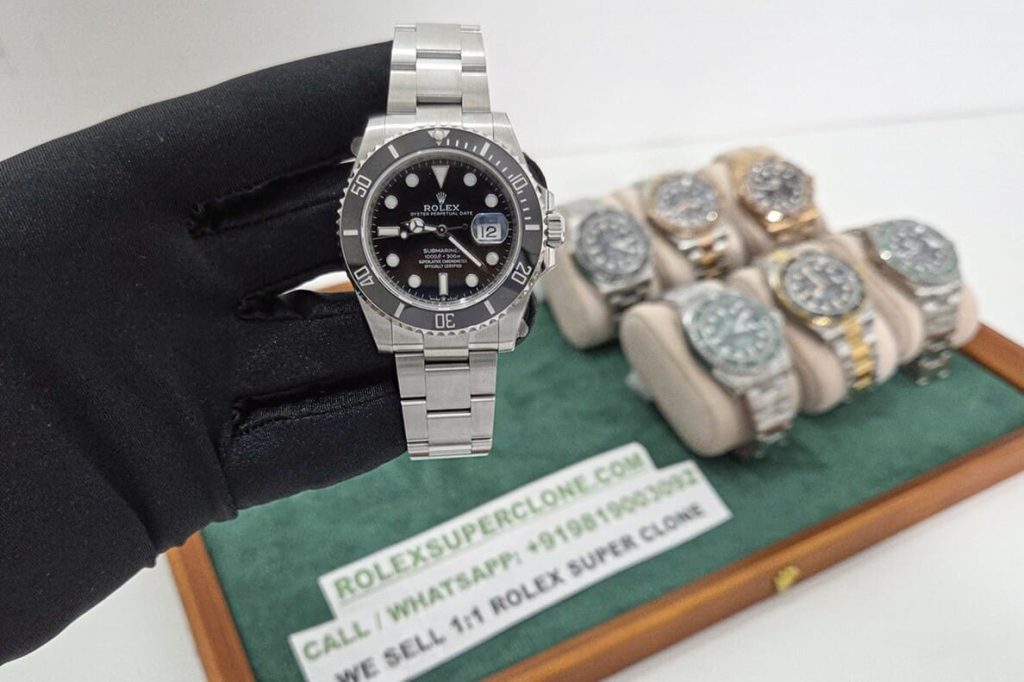
The Rolex Daytona is one of the most recognized luxury chronographs in the world. Its racing-inspired design, detailed dial, functional subdials, and strong connection to motorsport have made it a popular subject among watch enthusiasts. Because genuine Daytona models can be difficult to obtain and expensive, the phrase “rolex daytona super clone” is often used online when discussing highly detailed replica watches designed to resemble the original. For readers researching this category, understanding the features that separate a well-made replica from a poorly produced one can make product information easier to evaluate. It is also important to remember that a replica is not a genuine Rolex and should never be represented or sold as authentic.
When examining a Rolex Daytona super clone, appearance should not be the only consideration. Details such as case construction, dial printing, chronograph layout, bracelet finishing, crystal quality, movement behavior, and overall consistency can tell you much more about manufacturing quality. A careful inspection can also help buyers recognize misleading claims and understand what they are actually looking at. This guide focuses on practical watch characteristics and responsible evaluation rather than treating a replica as equivalent to an authentic Rolex.
Case Design and Overall Construction
The case is one of the first areas worth examining because it establishes the proportions and visual character of a Daytona-style watch. A convincing Rolex Daytona super clone should have carefully controlled dimensions, clean edges, balanced lugs, and a finish that looks consistent across polished and brushed surfaces. Poorly made replicas may have uneven edges, excessive polishing, rough transitions, or proportions that appear noticeably different from the original design. Even small differences can affect how the watch looks when worn.
Case construction also includes the quality of the crown, pushers, bezel, and case back. The chronograph pushers should have a consistent appearance and should not look loose or poorly aligned. The crown should sit properly against the case, while the bezel should appear centered and evenly finished. These details are useful because they reveal the level of manufacturing care behind a watch. A heavier watch is not automatically a better watch, either. Weight should be considered together with dimensions, materials, finishing, and movement quality rather than used as the sole measure of authenticity or quality.
Dial Details and Chronograph Layout
The dial is arguably the most important visual area when examining a Daytona-style replica. A quality-focused Rolex Daytona super clone should show clean printing, consistent spacing, properly aligned markers, and a balanced relationship between the main dial and chronograph subdials. Text that appears too thick, too thin, poorly spaced, or slightly tilted can immediately reduce the visual quality of a replica. The hands should also be appropriately shaped and positioned, with smooth finishing and alignment that complements the dial.
The chronograph layout deserves close attention because it is central to the Daytona design. Subdials should be positioned consistently, and their markings should remain sharp rather than appearing blurred or crowded. The central seconds hand should align correctly, while the hour and minute hands should sit cleanly above the dial without appearing uneven. On some replica watches, the small details may look acceptable from a distance but become less convincing under closer inspection. Good photography can sometimes hide these flaws, so examining multiple views is more useful than relying on a single product image.
Bezel, Crystal, and Materials
The bezel contributes strongly to the recognizable appearance of a Daytona-style chronograph. When evaluating a Rolex Daytona super clone, inspect the bezel markings for clarity, spacing, and alignment. A poorly manufactured bezel may have inconsistent engraving, incorrect proportions, or finishing that looks excessively bright or rough. The relationship between the bezel and dial should also look balanced. These characteristics are easier to assess when viewed from several angles and under different lighting conditions.
Crystal quality is another important feature because it affects both appearance and readability. Many Daytona-style watches use synthetic sapphire or mineral crystal depending on the model and manufacturer. Sapphire is valued in watchmaking for its strong scratch resistance and clear appearance, although material claims should not simply be accepted without supporting information. The crystal should sit evenly within the case and should not create distracting distortion around the dial. Material descriptions should be treated carefully because terms such as “sapphire,” “ceramic,” or “premium steel” can be used as marketing language without providing enough evidence about actual specifications.
Movement and Chronograph Performance
The movement is one of the biggest differences between a genuine luxury chronograph and a replica. A Rolex Daytona super clone may use an aftermarket automatic or quartz movement designed to imitate the appearance or functions of a particular Rolex caliber. The movement should therefore be evaluated based on its actual specifications rather than claims that it is identical to the genuine Rolex mechanism. A seller using vague descriptions such as “perfect movement” without naming the movement family or explaining its functions provides limited useful information.
Chronograph operation can also reveal the general quality of the watch. The start, stop, and reset functions should behave consistently on a functioning chronograph, and the hands should return to their intended positions without obvious misalignment. However, a working chronograph does not establish authenticity. Similarly, water-resistance claims deserve caution because resistance depends on seals, assembly, testing, and maintenance. A replica should not automatically be treated as having the same durability or testing standards as an authentic Rolex. Buyers should distinguish between mechanical functionality and brand authenticity when evaluating these watches.
Bracelet, Clasp, and Finishing Quality
The bracelet can have a major impact on how a Daytona-style watch feels and looks. Examine the links for consistent spacing, smooth edges, and comfortable movement. A Rolex Daytona super clone with carefully finished bracelet links may appear much more refined than a lower-quality replica with sharp edges, loose connections, or uneven surfaces. The transition between the bracelet and case should also be clean, with the end links fitting the case without obvious gaps or awkward movement.
The clasp provides another useful point of inspection. Its construction should feel secure when operated, while the external finishing should remain consistent with the rest of the bracelet. Excessive rattling, rough edges, weak closure, or inconsistent engraving can indicate lower manufacturing standards. Again, finishing quality should not be confused with authenticity. A replica manufacturer can produce a visually detailed clasp, but that does not make the watch a genuine Rolex. Responsible product descriptions should clearly identify a replica as a replica rather than creating confusion about its origin.
Conclusion
Examining a Rolex Daytona super clone requires more than looking at photographs and deciding whether the watch seems attractive. Case proportions, dial printing, chronograph placement, bezel quality, crystal construction, movement behavior, bracelet finishing, and clasp performance all contribute to the overall impression. Looking at these elements together can help readers understand manufacturing quality and identify exaggerated marketing claims. It is also wise to compare specifications carefully and avoid relying solely on phrases such as “1:1,” “identical,” or “factory original,” since such terms do not independently prove quality or authenticity.
For a website focused on Rolex Super Clone information, accurate education is especially valuable. Readers benefit from knowing the difference between visual similarity, mechanical performance, material quality, and genuine brand authentication. A well-informed evaluation should always acknowledge that a replica remains separate from an authentic Rolex and should not be presented as the real product. By paying attention to construction details and approaching product claims critically, enthusiasts can better understand the replica-watch market while making informed decisions about the characteristics they are researching.