

Table of Contents
When your vehicle is damaged in an accident, even a small dent or scratch can affect more than its appearance. Damage can also impact safety, handling, resale value, and the overall life of the vehicle. Choosing a professional auto body repair provider is one of the most important decisions you can make after a collision. Coachmaster Collision is a name associated with professional collision repair and auto body care, making it a useful starting point for vehicle owners who want to understand what quality repair should involve.
Professional auto body care is about much more than making a damaged car look new again. A proper repair should address visible damage, hidden problems, structural concerns, paint matching, and safe vehicle operation. Modern vehicles often contain advanced sensors, cameras, safety systems, and lightweight materials that require careful handling. For this reason, experienced collision repair technicians use specialized tools, repair methods, and inspection processes.
Whether you have been involved in a major crash or have a minor parking-lot dent, knowing what to expect can make the repair process easier. From collision damage assessment to paint refinishing and final quality checks, every stage matters. Understanding these services can also help you ask better questions and make a more informed decision about your vehicle.
What Is Professional Auto Body and Collision Repair?
Professional auto body repair is the process of restoring a vehicle after it has suffered exterior, structural, or collision-related damage. This can include repairing dents, replacing damaged panels, fixing bumpers, restoring paint, correcting frame damage, and addressing other problems caused by an accident. A professional collision repair shop looks beyond the obvious damage and checks the vehicle carefully before beginning repairs.
After a collision, some damage may not be easy to see. A bumper may appear slightly damaged while internal components behind it have also been affected. Likewise, a vehicle that looks straight from the outside could have alignment or structural issues. This is why a detailed collision damage assessment is an important first step in professional auto body care.
The repair process normally begins with an inspection. Technicians examine the damaged areas and determine which components can be repaired and which may need replacement. They may also inspect doors, fenders, bumpers, lights, suspension components, and other related parts. The goal is to develop a repair plan that restores the vehicle as closely as possible to its pre-accident condition.
Coachmaster Collision can be considered in the broader context of professional collision repair, where quality workmanship and careful attention to detail are important. Vehicle owners should look for repair providers that understand modern repair procedures and recognize that every vehicle has different requirements.
Another important part of auto body repair is paint restoration. Modern vehicles use carefully selected paint colors and finishes, so simply applying a similar color may not produce a professional result. Proper color matching, surface preparation, controlled painting, and finishing help create a smooth appearance. Good paint repair should blend naturally with the surrounding panels rather than leaving an obvious difference.
Professional collision repair also involves proper reassembly. After damaged parts are repaired or replaced, technicians need to make sure everything fits correctly. Doors should close properly, lights should work as expected, panels should align, and the vehicle should be inspected before it returns to the road.
Why Quality Collision Repair Matters for Your Vehicle
Choosing quality auto body repair is important because your vehicle is more than a way to get from one place to another. It protects you and your passengers every day. A poor repair can leave cosmetic problems, reduce vehicle value, or potentially create safety concerns. A careful repair process focuses on both appearance and function.
One major reason professional collision repair matters is structural integrity. Modern vehicles are designed with specific crumple zones and structural components that help manage crash energy. If these areas are damaged, repairs must be performed carefully. A vehicle should not simply be made to look straight. The underlying structure should be assessed and repaired using appropriate procedures.
Proper alignment is another important concern. Collision damage can affect suspension and steering components, even when the damage is not obvious. If a vehicle does not track correctly, pulls to one side, or has unusual tire wear after an accident, further inspection may be necessary. Professional repair helps identify these issues rather than focusing only on cosmetic damage.
Paint quality also has a direct effect on the finished repair. A poor paint job can leave visible color differences, rough surfaces, overspray, or uneven finishes. Professional refinishing requires proper preparation and attention to the surrounding panels. The better the process, the more natural the repaired area can look.
Vehicle value is another factor. A car with visible dents, mismatched paint, poorly fitted panels, or unfinished repairs may be harder to sell or trade. Quality collision repair can help preserve the vehicle’s appearance and condition. Keeping repair records can also give future buyers useful information about the work performed.
Advanced vehicle technology makes professional repair even more important. Many newer vehicles include driver-assistance features such as cameras, radar systems, parking sensors, lane monitoring, and automatic braking technology. Collision damage near these components may require additional inspection or calibration. A repair shop familiar with modern vehicles should understand that restoring the body is only one part of the process.
For this reason, vehicle owners searching for Coachmaster Collision or another professional auto body provider should think about the complete repair experience. The best choice is not always the shop that promises the fastest cosmetic fix. Quality, communication, proper procedures, and attention to vehicle safety should all be considered.
Services You Can Expect From a Professional Auto Body Shop
A full-service collision repair facility may provide a wide range of services based on the type and severity of vehicle damage. One of the most common services is dent repair. Small dents may sometimes be repaired without replacing the entire panel, depending on their size, location, and severity. Paintless dent repair can be an option for certain types of minor damage when the paint surface remains intact.
More serious dents may require conventional body repair. This can involve removing damaged panels, reshaping metal, replacing components, preparing surfaces, and refinishing the repaired area. The correct approach depends on the vehicle and the extent of the damage.
Bumper repair and replacement are also common collision services. Bumpers can suffer damage in low-speed accidents, but the visible crack or dent may not tell the whole story. Internal components can sometimes be affected as well. A careful inspection helps determine whether repair or replacement is the more appropriate solution.
Auto glass and exterior component repair may also be part of collision restoration. Broken mirrors, damaged lights, cracked trim, and other exterior components can affect both appearance and function. Replacing these parts with suitable components helps return the vehicle to a proper operating condition.
Frame and structural repair can be more complex. Serious crashes may cause damage to areas that require specialized equipment and measurement. Technicians need to understand the vehicle’s structural design and use appropriate repair procedures. This is one reason why experience matters when selecting a collision repair provider.
Paintless dent repair, auto body refinishing, bumper repair, panel replacement, frame repair, and accident damage restoration are all connected parts of professional vehicle care. Not every repair requires every service. A qualified technician should evaluate the damage and recommend an appropriate repair approach.
Insurance collision repair is another area many vehicle owners encounter after an accident. Insurance claims can involve estimates, documentation, repair approvals, and communication between several parties. Understanding your coverage and asking questions about the repair estimate can help reduce confusion. A professional repair facility may also assist customers with the administrative side of the repair process, depending on its services and policies.
The quality of parts used during repairs is also important. Depending on the vehicle, repair requirements, insurance arrangements, and manufacturer recommendations, replacement components can vary. Vehicle owners should ask what type of parts are being used and how they affect the repair. Transparency can make the process easier and help customers understand what they are paying for.
How to Choose the Right Collision Repair Provider
Selecting an auto body shop should not be based only on location or price. A repair facility may offer a low estimate, but the cheapest option is not always the best long-term choice. Instead, vehicle owners should consider experience, workmanship, communication, repair methods, equipment, and customer service.
Experience is particularly valuable when dealing with complicated collision damage. Different vehicles use different materials and construction methods. Aluminum, high-strength steel, plastic composites, sensors, and electronic systems can all require specific handling. A repair provider should have the knowledge and equipment needed for the type of vehicle being repaired.
Communication is another major part of a positive repair experience. Customers should receive clear information about the damage, estimated repair process, expected timeline, and any changes that occur during the work. Collision repairs can sometimes reveal additional damage after disassembly, so good communication helps customers understand why the original estimate may change.
Reviews and reputation can also provide useful insight. When researching Coachmaster Collision or another local auto body shop, vehicle owners can look at customer experiences and consider whether people consistently mention quality workmanship, helpful communication, timely service, and professional results. Reviews should not be the only deciding factor, but they can help identify patterns.
It is also useful to ask about warranties or guarantees on repair work. Policies differ between repair facilities, so customers should understand what is covered and for how long. A written warranty can provide additional confidence when paying for significant collision work.
The repair estimate should also be clear. It should explain the major repair areas and expected costs. If you do not understand something, ask. A trustworthy repair professional should be willing to explain technical terms in simple language. Customers should never feel pressured to approve work they do not understand.
Another factor is the shop’s approach to modern vehicle technology. If your vehicle has advanced driver-assistance systems, sensors, cameras, or other electronic safety features, ask whether inspection and calibration are included when needed. Modern collision repair often involves more than traditional bodywork.
Finally, consider the overall customer experience. A professional shop should treat your vehicle carefully, communicate respectfully, and provide realistic expectations. Good auto body care combines technical skill with customer service. When these elements work together, the repair process becomes much less stressful.
What to Expect During the Collision Repair Process
Knowing what happens after you leave your vehicle at a collision repair shop can make the experience easier. The process generally starts with an initial inspection and damage estimate. The technician or estimator examines the vehicle and identifies visible and suspected damage. Photos and other documentation may be used to record the condition of the vehicle.
Once the repair plan is developed, the vehicle may be disassembled in damaged areas. This step can reveal hidden damage that was not visible during the first inspection. If additional problems are found, the repair estimate may need to be updated. This is a normal part of many collision repairs, especially after significant accidents.
The next stage may involve structural repairs, body panel work, parts replacement, or dent repair. Technicians work through the repair plan while checking fit and alignment. Proper preparation is important because small errors can become noticeable after the vehicle is painted and reassembled.
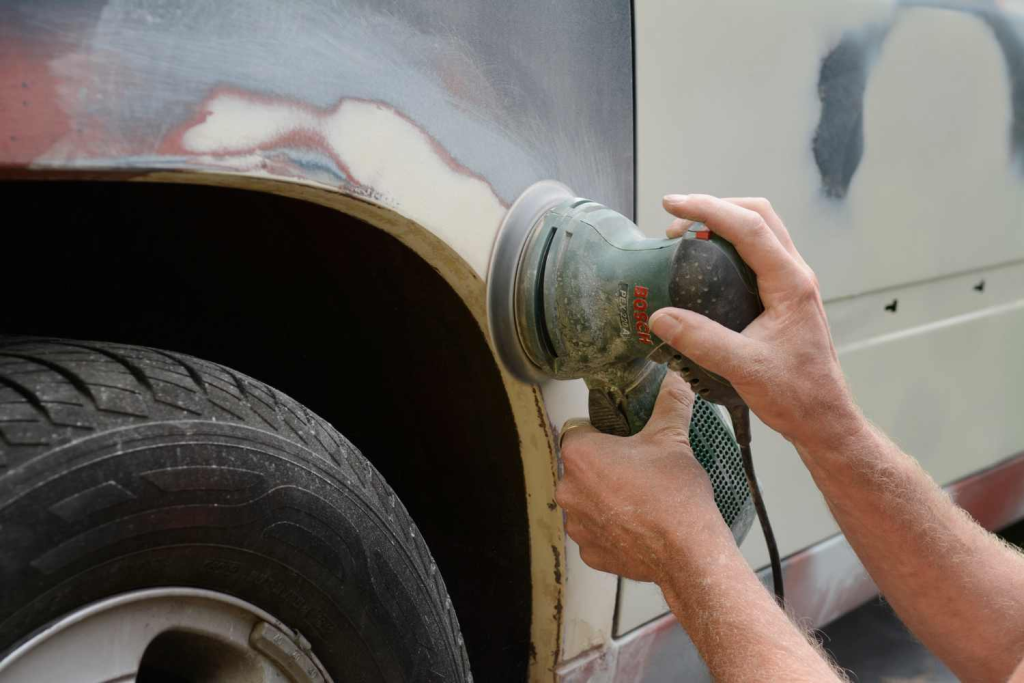
After body repairs are completed, damaged surfaces may be prepared for refinishing. This can include sanding, filling, priming, and other preparation steps. The vehicle’s paint is then matched and applied according to the required repair process. Finishing work helps restore the smooth appearance of the repaired panels.
Reassembly follows the major repair and paint stages. Panels, lights, trim, bumpers, mirrors, and other components are installed and checked. Depending on the vehicle and damage, electronic systems or driver-assistance features may also need inspection or calibration.
A final quality inspection is an important part of professional auto body care. Technicians should check panel alignment, paint appearance, lights, doors, trim, and other repaired areas. The vehicle should be clean and ready for customer inspection before the repair is considered complete.
Customers can also help by inspecting the vehicle when it is returned. Look at the repaired panels in good lighting and check that doors, windows, lights, and other basic functions work properly. If something does not look or feel right, bring it to the repair provider’s attention.
Choosing a professional provider such as Coachmaster Collision is ultimately about more than repairing a damaged exterior. It is about restoring the vehicle with care and attention to safety, appearance, function, and long-term value. By understanding the collision repair process, vehicle owners can make informed decisions and feel more confident when dealing with accident damage.
Conclusion
Coachmaster Collision: Everything About Professional Auto Body Care shows why quality collision repair requires more than a quick cosmetic fix. From damage assessment and dent repair to paint refinishing, panel replacement, structural work, and final inspections, each stage plays an important role in restoring a vehicle.
When choosing an auto body repair provider, focus on experience, clear communication, proper repair methods, modern equipment, quality parts, and attention to vehicle safety. Whether the damage is a small dent or the result of a serious collision, professional care can help protect your vehicle’s appearance, performance, and value.
A well-repaired vehicle should look right, function properly, and give you confidence when you return to the road. Taking time to understand your repair options and choosing a qualified collision repair professional is one of the smartest steps you can take after an accident.