

Table of Contents
If you look at any IT job portal today you will see one word coming up again and DevOps. Startups want DevOps. Product companies need DevOps. Enterprises rely on DevOps.. People who are new to the industry are curious about DevOps.
But here is the main question: is DevOps a popular term or is it really a good career path for the long term?The answer is easy. DevOps is not a useful skill. It has become a part of the modern IT industry.From cloud infrastructure to automation pipelines from monitoring systems to security integration DevOps professionals are at the center of transformation.. This position opens up many career opportunities for DevOps professionals.
The Expanding Role of DevOps in Modern IT
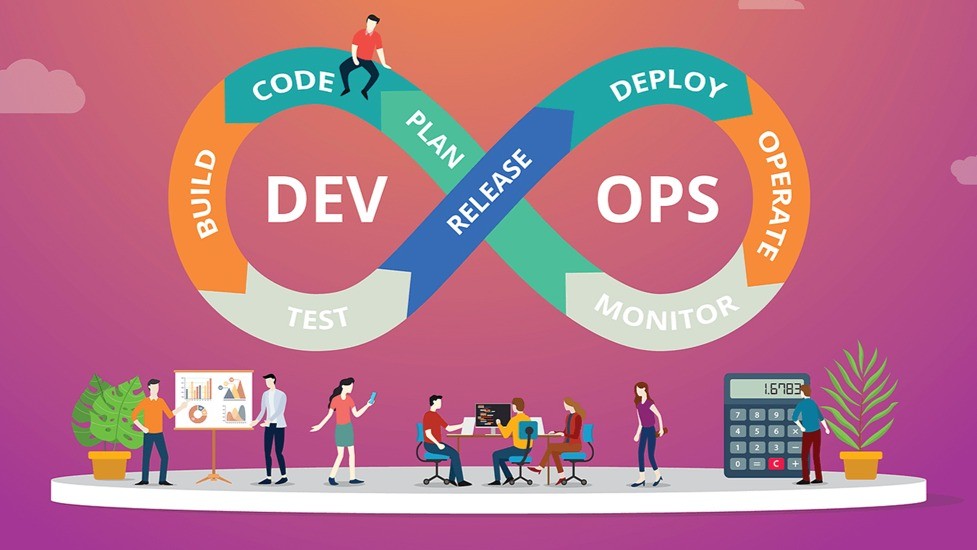
In the past software development and IT operations were two things. Developers built applications. Operations teams put them out. Maintained them. There were often problems with communication.. It took a long time to get things done.DevOps changed this completely.
Today companies want to release things that have stable systems and be able to grow easily. DevOps professionals make this possible. They use integration, automated testing, cloud deployments and infrastructure as code. These are not optional. They are the standard for DevOps professionals.
Because of this change companies are hiring DevOps engineers not for support but as important contributors to the team.
A DevOps professional today may do things, such as:
- Designing CI/CD pipelines for DevOps
- Managing cloud infrastructure for DevOps
- Automating deployment workflows for DevOps
- Monitoring system performance for DevOps
- Making sure DevOps follows security rules
- Making DevOps systems more scalable and reliable
The modern IT industry values people who can connect development and operations like DevOps professionals. DevOps engineers are the bridge between these two areas. They make things easier, speed up delivery and make systems more stable for DevOps.
Career Paths Within DevOps
One of the things about choosing DevOps as a career is the flexibility. It is not one role. It is a way to get into different specialized paths in DevOps.You can start as a Junior DevOps Engineer. Move to multiple roles:Each path in DevOps focuses on aspects of automation and infrastructure but the foundation is the same: working together automating and always improving DevOps.
For example if you like cloud technologies for DevOps you might specialize in -cloud architecture for DevOps. If you are interested in system stability for DevOps SRE roles could be a fit for DevOps. If security is what you like about DevOps, DevSecOps lets you add protection to pipelines for DevOps.However getting into this field requires learning for DevOps. Just watching random tutorials does not build confidence in DevOps. Employers want to see that you have skills in DevOps.
That is why many professionals look for the best DevOps certification to validate their knowledge of DevOps. Certifications show that you understand industry- practices, cloud platforms and automation workflows for DevOps. They also help you stand out when people are looking at resumes for DevOps jobs.At the time choosing the right DevOps training institute matters. A good institute focuses on hands-on projects, real-time labs and scenario-based learning rather than just theory for DevOps. Because DevOps is practical. You learn DevOps by building pipelines, configuring infrastructure and solving problems in DevOps.
Why DevOps Is a Future-Proof Career
Technology changes fast. Programming languages. Go. Frameworks change. Platforms update.The need for reliable automated software delivery will always be there for DevOps.That is why DevOps is considered a proof career.Every company that builds software. Whether it is fintech, healthcare, e-commerce, education or SaaS. Needs automation and cloud management like DevOps. As long as software exists, DevOps will exist.
The rise of cloud computing has made this demand even stronger for DevOps. Companies are moving from on-premise systems to native architectures. Managing these environments requires automation expertise, like DevOps.Moreover adding Artificial Intelligence to DevOps workflows is creating more opportunities for DevOps. Predictive monitoring, AI-assisted deployments and automated scaling are expanding the skill requirements for DevOps.
DevOps professionals who keep learning things stay ahead of the curve in DevOps.For people who’re new to the industry DevOps offers a structured way to get into the IT industry without being limited to just coding roles in DevOps. For professionals it offers career growth and higher salaries in DevOps.The key is to approach DevOps not as a way to get a job but as a long-term professional journey in DevOps.
The Bigger Picture
DevOps is not a job title. It is a way of thinking that the modern IT industry relies on, like DevOps.It encourages learning for DevOps. It values working over separate teams for DevOps. It prioritizes automation over work for DevOps.. It rewards professionals who think about the big picture in DevOps.The career opportunities in DevOps are many scalable and ready for the future. Whether you want to work in startups or big companies the demand for DevOps is strong.